Art therapy is a type of therapy that uses creativity and art-making to support mental and emotional health. It combines the benefits of creating art with ideas from psychology to help people who are facing challenges like anxiety, trauma, depression, or stress. The focus isn’t on making perfect or beautiful art; it’s about using art as a way to express yourself and heal.
What is Art Therapy?
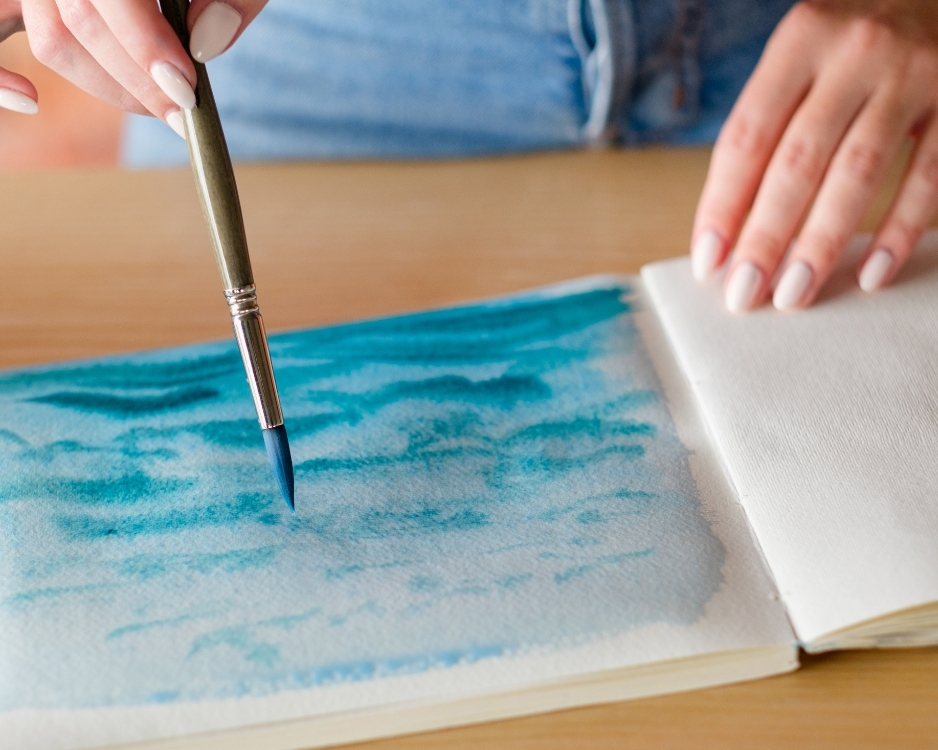
Art therapy is a form of psychotherapy where individuals use art materials like paints, clay, or pencils to express their thoughts and feelings. This creative process allows individuals to communicate in ways that words sometimes can’t. Art therapists are trained professionals who guide clients in using art as a tool for self-reflection and emotional processing.
According to the American Art Therapy Association, art therapy integrates both psychological theory and artistic techniques. It allows clients to explore and express their feelings, resolve inner conflicts, and improve their mental health. It is a non-verbal form of therapy, meaning that it doesn’t require clients to talk about their problems. Instead, clients can create artwork to reflect their feelings and experiences.
How does Art Therapy work?
In an art therapy session, individuals work with an art therapist who provides them with various art materials. The therapist may ask the client to create a specific image, or the client may choose to express themselves freely. The process of creating the artwork can help individuals gain insights into their emotions and thoughts that they may not have been able to express verbally.
Art therapy is about much more than just making art, it supports growth and healing in many areas of life. While the creative process itself can be calming and enjoyable, the real impact often goes deeper. Art therapy helps people explore and express emotions that might be hard to put into words, which can lead to better self-understanding and healthier ways of coping.
It can also reduce stress, strengthen communication skills, and build resilience by encouraging problem-solving and new perspectives. Many clients find that creating art boosts self-esteem and gives them a sense of empowerment. Because it engages both the mind and body, art therapy can be especially powerful for people working through trauma or big life changes. In this way, art becomes more than an activity, it becomes a pathway to healing and personal growth.
Who can benefit from Art Therapy?
Art therapy can be beneficial for people of all ages. It is used in a wide range of settings, from hospitals to schools, and it can be applied to various mental health issues. People experiencing emotional challenges like anxiety, depression, or trauma can find art therapy especially helpful.
- Children and Adolescents: Children who have trouble expressing themselves verbally can benefit from art therapy. It allows them to communicate their feelings in a way that might be easier for them than talking.
- Adults: For adults, art therapy can be an effective way to address issues like stress, depression, and relationship problems. It can also help people who are coping with chronic illness or the loss of a loved one.
- Elderly Adults: For elderly individuals, art therapy can help improve cognitive function, reduce symptoms of depression, and provide a sense of purpose or achievement.
What can Art Therapy treat?
Art therapy can be helpful for people of all ages who are dealing with a wide range of emotional, behavioral, and physical challenges. Because it offers a non-verbal way to express feelings and experiences, it can support individuals who may struggle to put their thoughts into words.
Whether someone is facing mental health concerns, navigating a medical condition, or working through difficult life changes, art therapy provides a safe space to explore, process, and heal. Some of the common challenges art therapy can help with include:
- Anxiety, depression, and stress
- Trauma and PTSD
- ADHD and cognitive difficulties
- Eating disorders
- Substance use concerns
- Health challenges- like cancer or heart disease
- Aging and caregiver stress
- Life transitions (new school, new job, change in location, or marriage)
- Family or relationship struggles
When it comes to the type of art one can create, it doesn’t have to be grand to have a big impact. It doesn’t need to take hours either; it can be simple and still be able to serve its purpose. Here are some art project ideas that can be adopted into Art Therapy.
- Painting and drawing
- Doodling or scribbling
- Finger painting
- Sculpting or molding clay
- Pottery and carving
- Collage-making
- Jewelry making
- Working with textiles (fabric, yarn, mixed media)
- Creating personalized items, such as cards or posters
Benefits of Art Therapy
Art therapy can lead to many positive changes in a person’s emotional, mental, and physical well-being and help them learn a new hobby or talent. Here are some of the key benefits:
- Emotional Release: One of the primary benefits of art therapy is that it provides a safe outlet for emotions. People who may find it hard to talk about their feelings can express them through their art. This emotional release can help reduce stress, anxiety, and anger.
- Improved Self-Awareness: Art therapy encourages individuals to reflect on their artwork, which can lead to a deeper understanding of their feelings, thoughts, and behaviors. This self-awareness is often a critical first step in healing and personal growth.
- Quieting the Inner Critic: Perfectionism and harsh self-judgment can make it difficult for people to fully express themselves. Art therapy helps individuals let go of the need for “perfect” results and instead focus on the process of creating. This shift fosters self-compassion, reduces the power of the inner critic, and allows for more freedom, play, and acceptance in both art and life.
- Stress Relief: The act of creating art can be very calming and help reduce symptoms of stress and anxiety. Focusing on creating something allows people to be in the moment, which can help them break free from negative thought cycles.
- Improved Communication: For those who struggle to express themselves verbally, art therapy provides a non-verbal way to communicate. It can also help individuals who are going through trauma or grief to express difficult emotions without feeling overwhelmed.
- Healing Trauma: Art therapy is particularly useful for those who have experienced trauma, such as abuse or a significant loss. It allows individuals to process traumatic memories and emotions in a safe and structured way.

Learn about the Results of Art Therapy
Research has shown that art therapy can lead to significant improvements in a person’s emotional and psychological health. Several studies have highlighted the effectiveness of art therapy in various therapeutic settings.
Trauma Recovery
Studies have shown that art therapy can help individuals who have experienced trauma process their emotions and heal from painful experiences. According to the American Art Therapy Association, clients who participated in art therapy showed reductions in trauma-related symptoms such as flashbacks, nightmares, and emotional numbing.
Mental Health Improvements
Art therapy has been shown to help people with depression, anxiety, and stress. Research published on Psychology Today highlights that the process of creating art helps people express their emotions, leading to a reduction in negative feelings. For example, one study found that people who participated in art therapy had a 30% reduction in depression symptoms.
Cognitive Benefits to Creative Outlets
Art therapy has also been linked to improvements in cognitive function. Older adults who engage in art therapy often experience enhanced memory, better problem-solving skills, and increased cognitive flexibility. This can be particularly helpful for people with Alzheimer’s disease or dementia.
Social Benefits
Art therapy can also promote social interaction and reduce feelings of isolation. Group art therapy sessions allow individuals to connect with others who are going through similar experiences, fostering a sense of community and support.
Art Therapy in Treatment Plans
Art therapy can be integrated into a variety of treatment plans. It is often used alongside other therapeutic approaches, such as cognitive-behavioral therapy (CBT) or talk therapy, to provide a holistic approach to mental health. By incorporating art into treatment plans, registered therapists can offer clients multiple ways to express themselves and process their emotions.
For example, an art therapist may combine talk therapy with art therapy to help a client process traumatic memories. The therapist might encourage the client to draw or paint a representation of the trauma and then discuss the feelings associated with the image. This combination can lead to deeper insights and greater emotional healing.
Becoming an art therapist requires specialized education and training that goes far beyond simply enjoying art or creativity. It’s important to be educated on the different certifications and registrations required for treatments. Art therapists complete a master’s degree in art therapy or a related field, which combines psychology, counseling, and the use of creative expression in a therapeutic setting. This training includes coursework in mental health, human development, and trauma-informed care, as well as supervised clinical experience working directly with clients.
This professional background is especially important when supporting people who have experienced trauma. While making art on your own can certainly be healing, art therapy provides a safe and structured process guided by someone trained to recognize triggers and respond with care. An art therapist knows how to create a supportive environment, interpret creative expression in the context of mental health, and use art as a tool for healing without unintentionally causing harm. This is what sets art therapy apart from simply doodling or making crafts. It’s a clinically grounded practice designed to foster growth, safety, and resilience.
With its proven effectiveness in treating a variety of mental health challenges, art therapy is becoming an increasingly popular option in treatment plans across the globe. If you or someone you know is struggling, consider exploring the benefits of art therapy; it might just be the creative outlet needed to help heal the mind and spirit.